
Caffeine is one defined molecule, and as an ingredient it is specified by its purity. A purity figure says how pure the powder is by a stated method, not where the caffeine came from. For plant-derived caffeine the specification should name the plant, and we offer two plant sources: green coffee bean and green tea leaf.
This article is about caffeine as a purified ingredient: what the substance is, how it is obtained from green (unroasted) coffee beans and from tea leaves, what a purity of 98% states and leaves open, and what to state in your enquiry.
It draws on a compound record of the United States National Library of Medicine, a monograph on caffeine by a World Health Organization agency, a European Medicines Agency report on green tea leaf, and a study of natural and synthetic caffeine. Our article on green coffee bean extract covers the chlorogenic acids of the same bean.
01 / THE SUBSTANCE
What is caffeine as a substance?
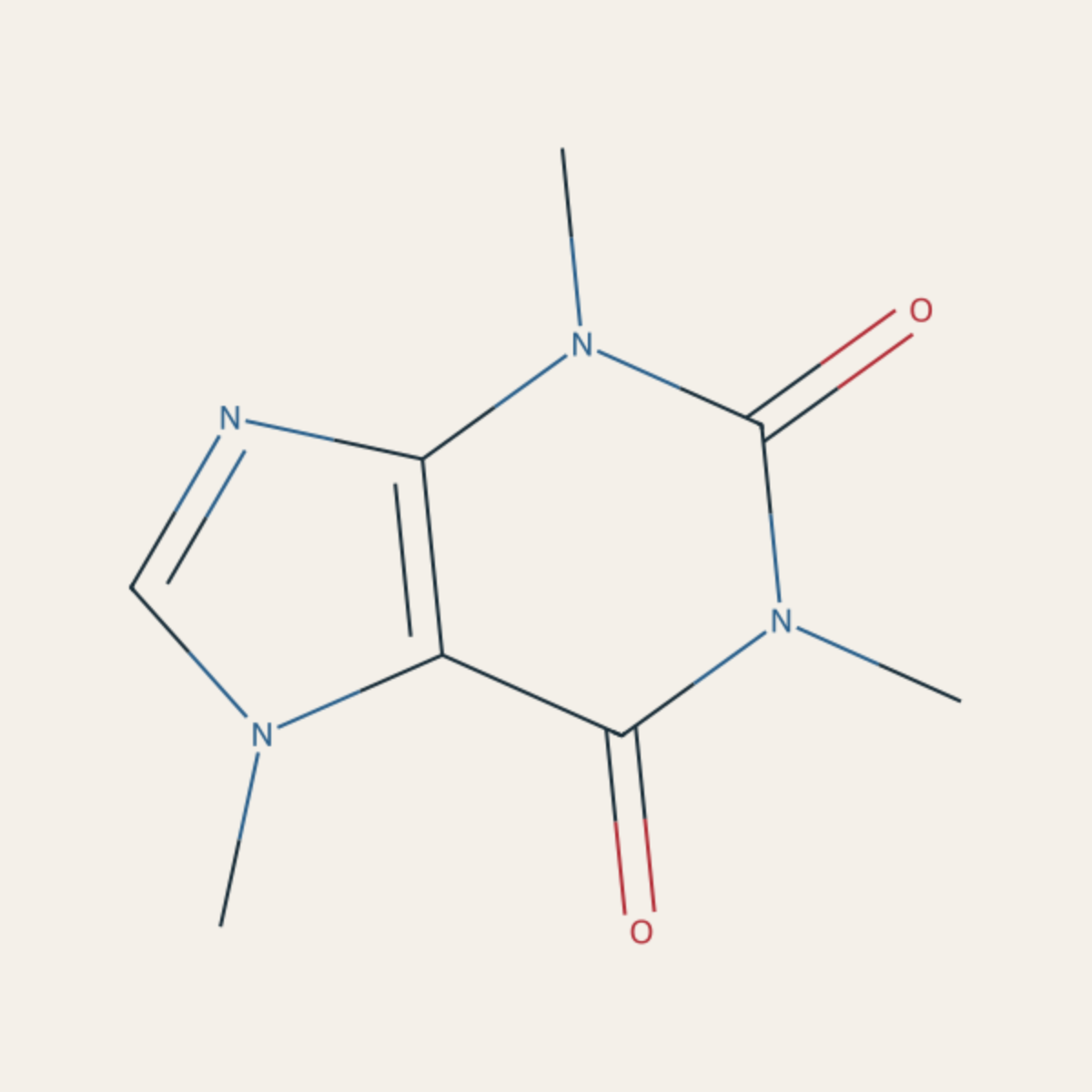
Caffeine is a single compound with a fixed identity: 1,3,7-trimethylxanthine, formula C8H10N4O2, molecular weight 194.19, CAS number 58-08-2.1
It also has other names. A 1991 monograph on caffeine lists “guaranine” and “theine” among its synonyms, as well as “Anhydrous caffeine”.2 Whichever of these names a document uses, it means this one molecule.
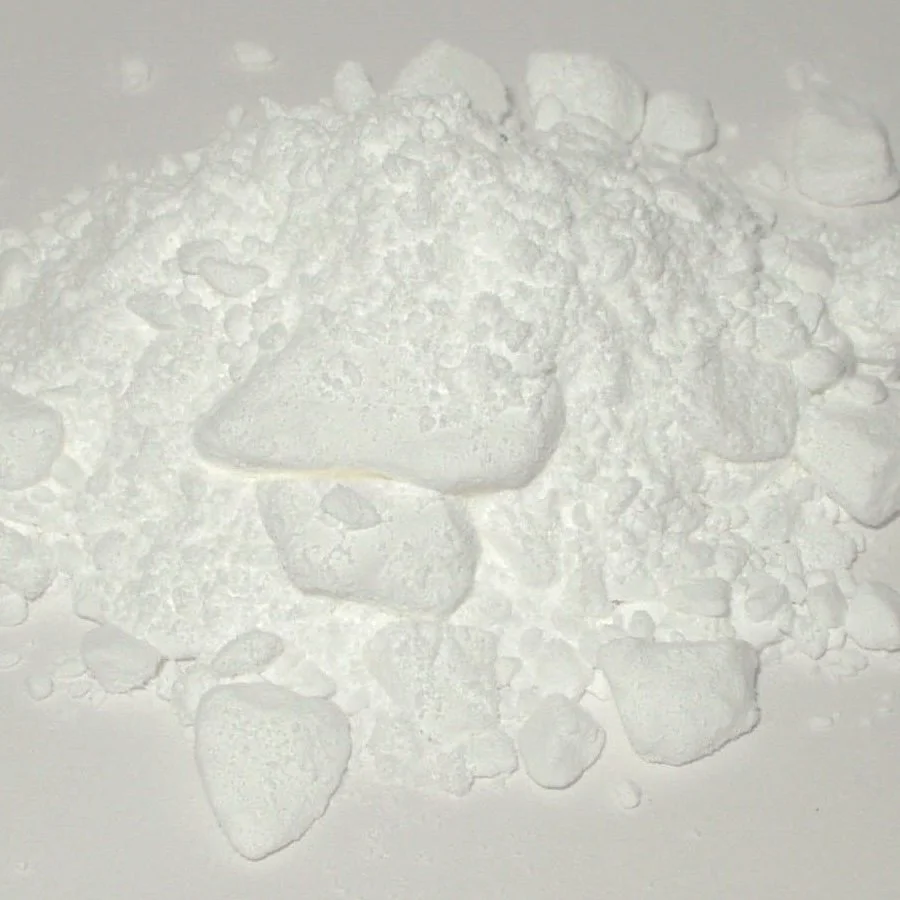
The monograph describes the pure substance as a white powder without odour, slightly bitter in taste.2 It dissolves much more easily in hot water than in cold: 1 g dissolves in 46 ml of water at 20 °C and in 5.5 ml at 80 °C.2
The word anhydrous has a reason. Crystallised from water, caffeine holds water of crystallisation, and the monograph gives the monohydrate a CAS number of its own, 5743-12-4.2 The CAS number on a specification therefore tells the two apart.
Check: that the specification gives the CAS number 58-08-2, whatever name it uses.
02 / GREEN COFFEE BEAN
How is caffeine obtained from green coffee beans?
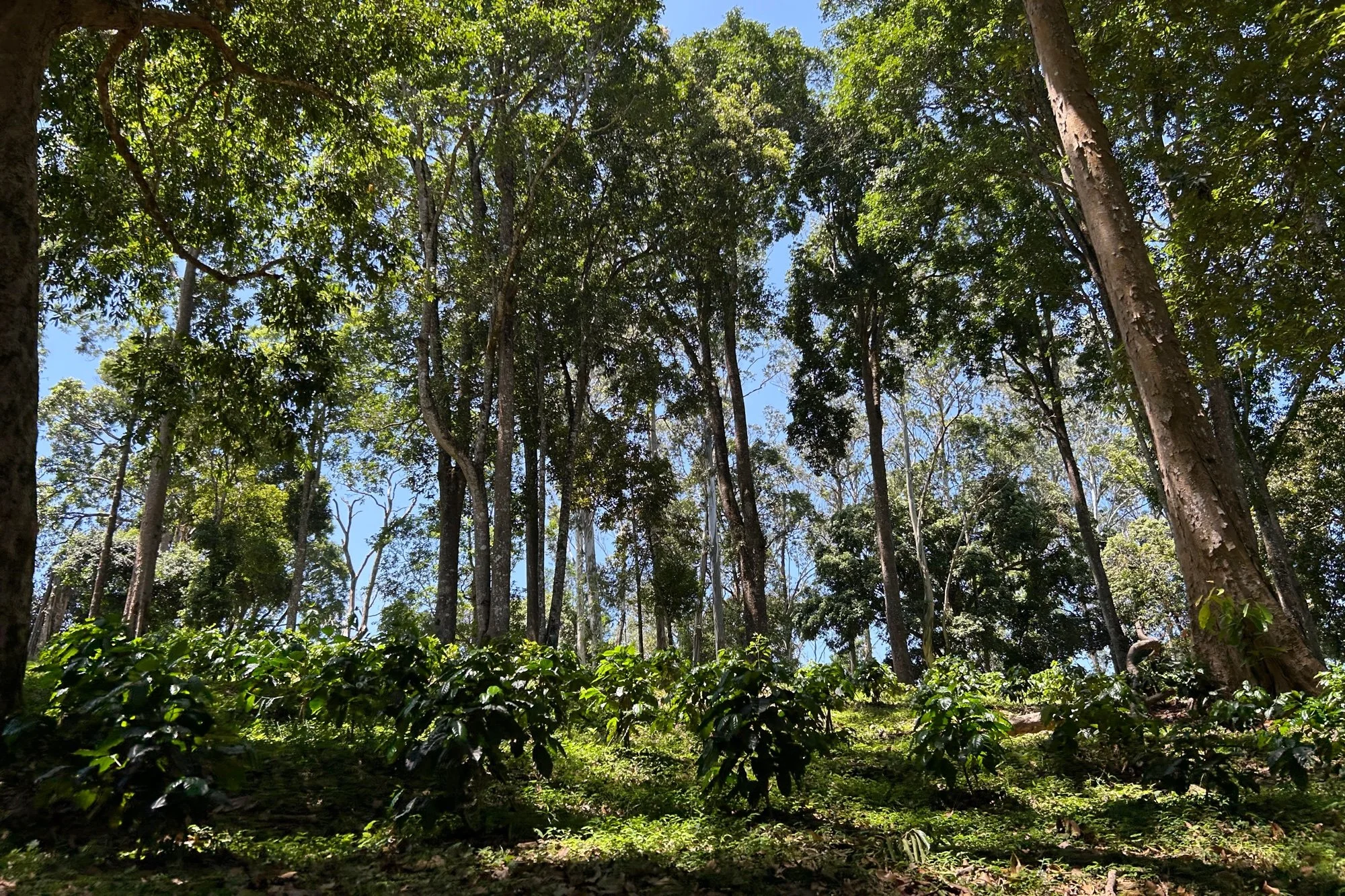
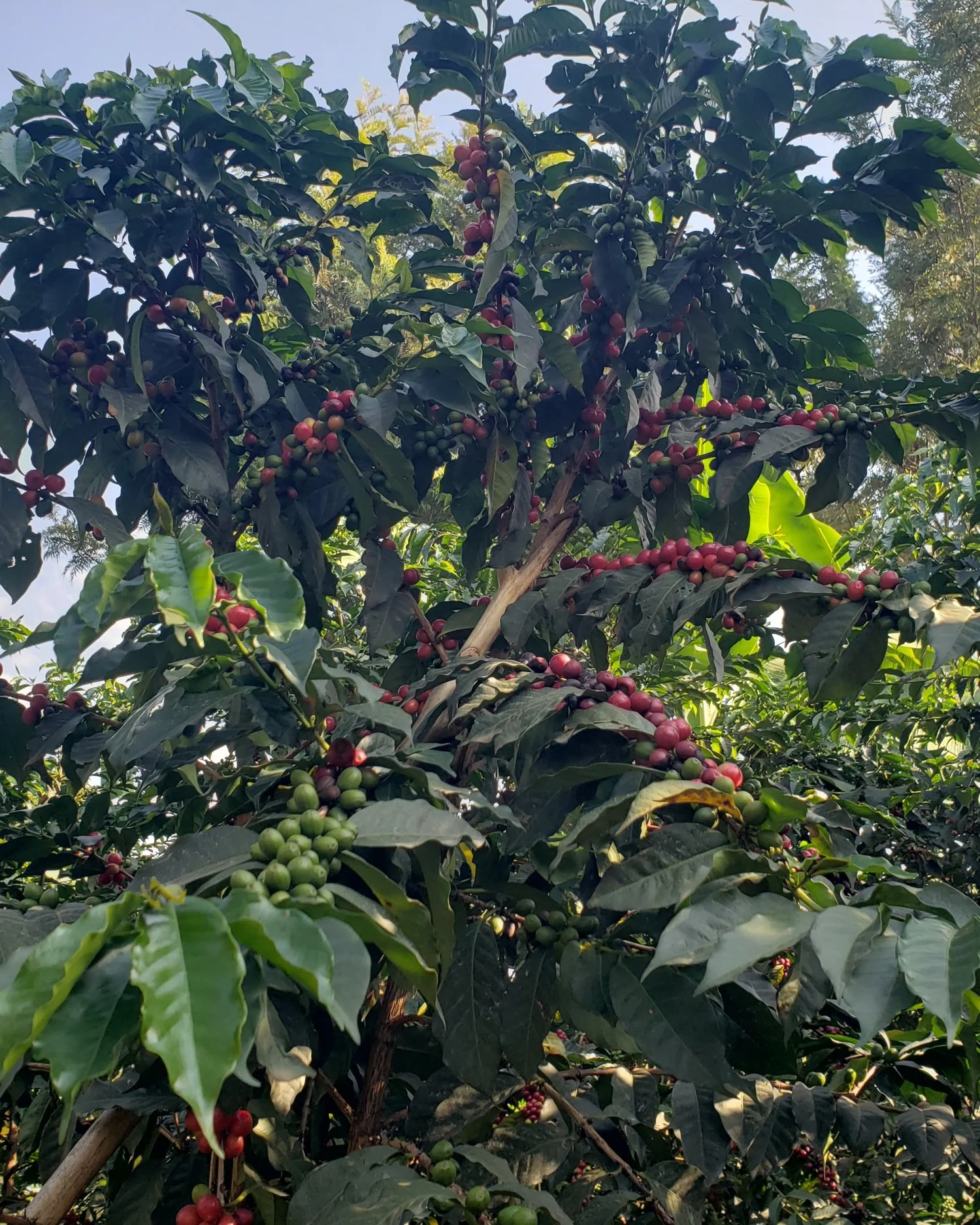
Caffeine is found in more than 60 plant species.2 For dry green coffee beans the monograph gives a caffeine content of 0.9 to 1.4% for arabica and 1.5 to 2.6% for robusta.2
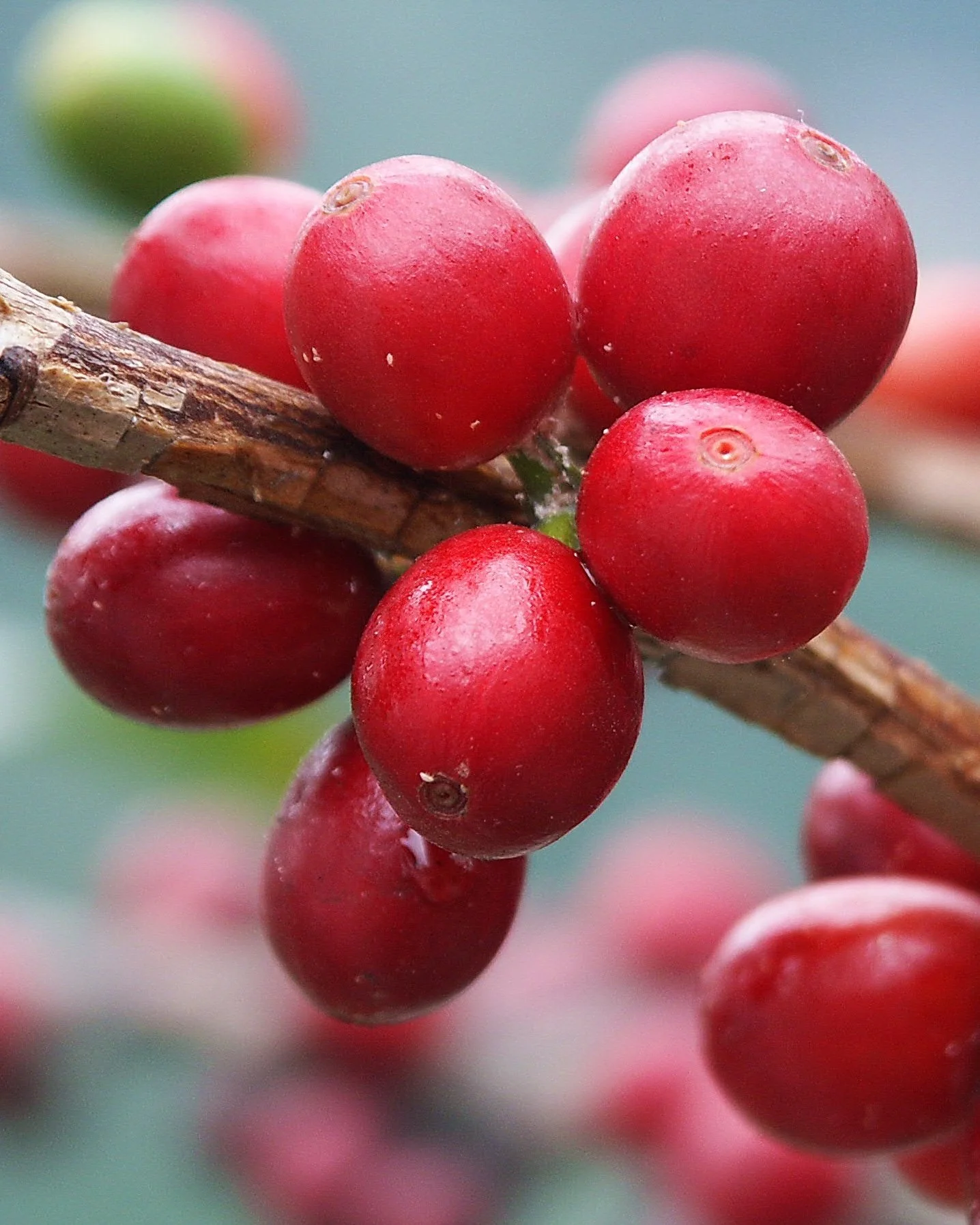
One route starts with decaffeination. Among the extraction procedures for caffeine, the monograph lists “direct decaffeination of green coffee beans with solvents”.2 It also records caffeine as a by-product of making caffeine-free coffee: at first with water, later with solvents, and with processes that use water and carbon dioxide.2
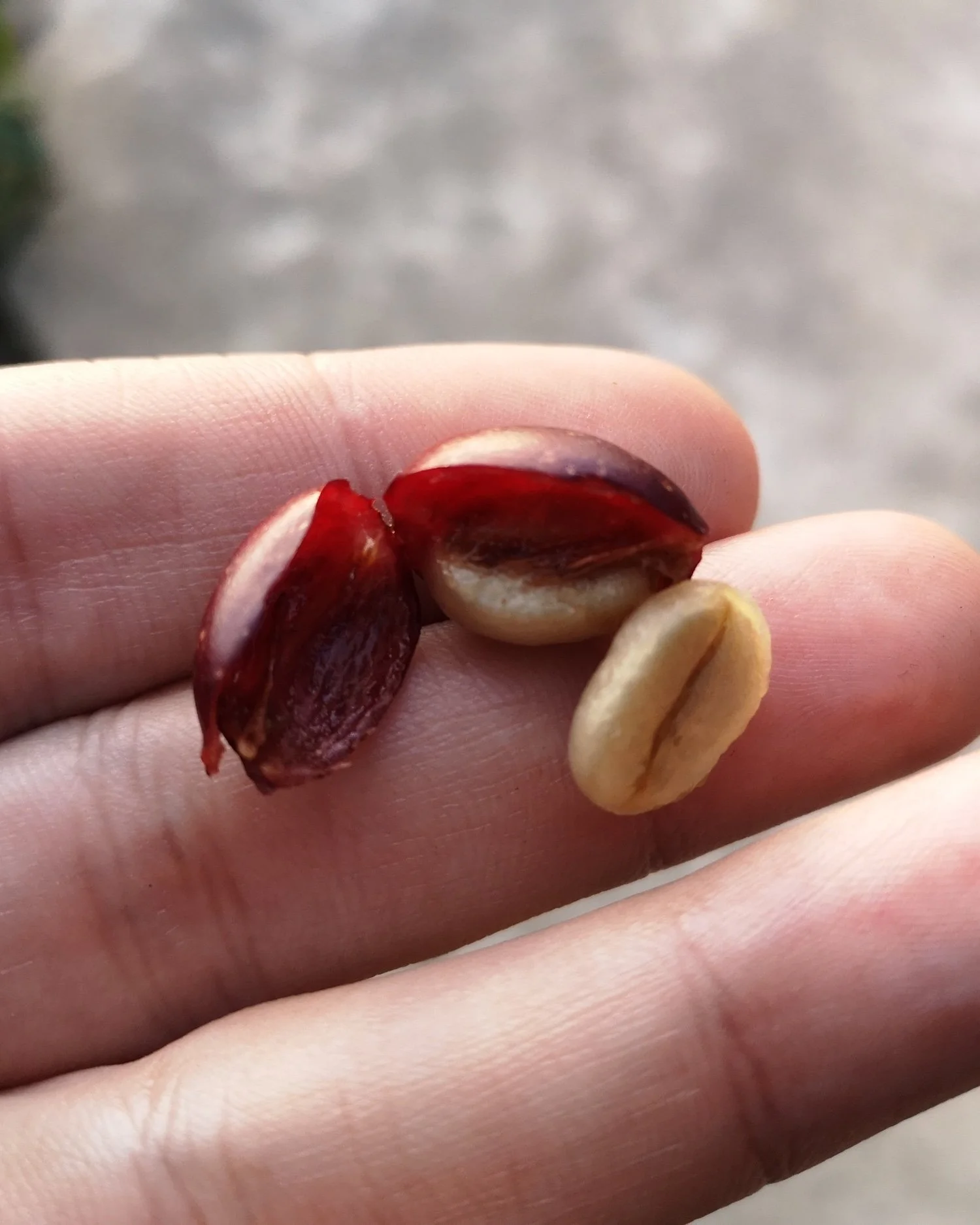
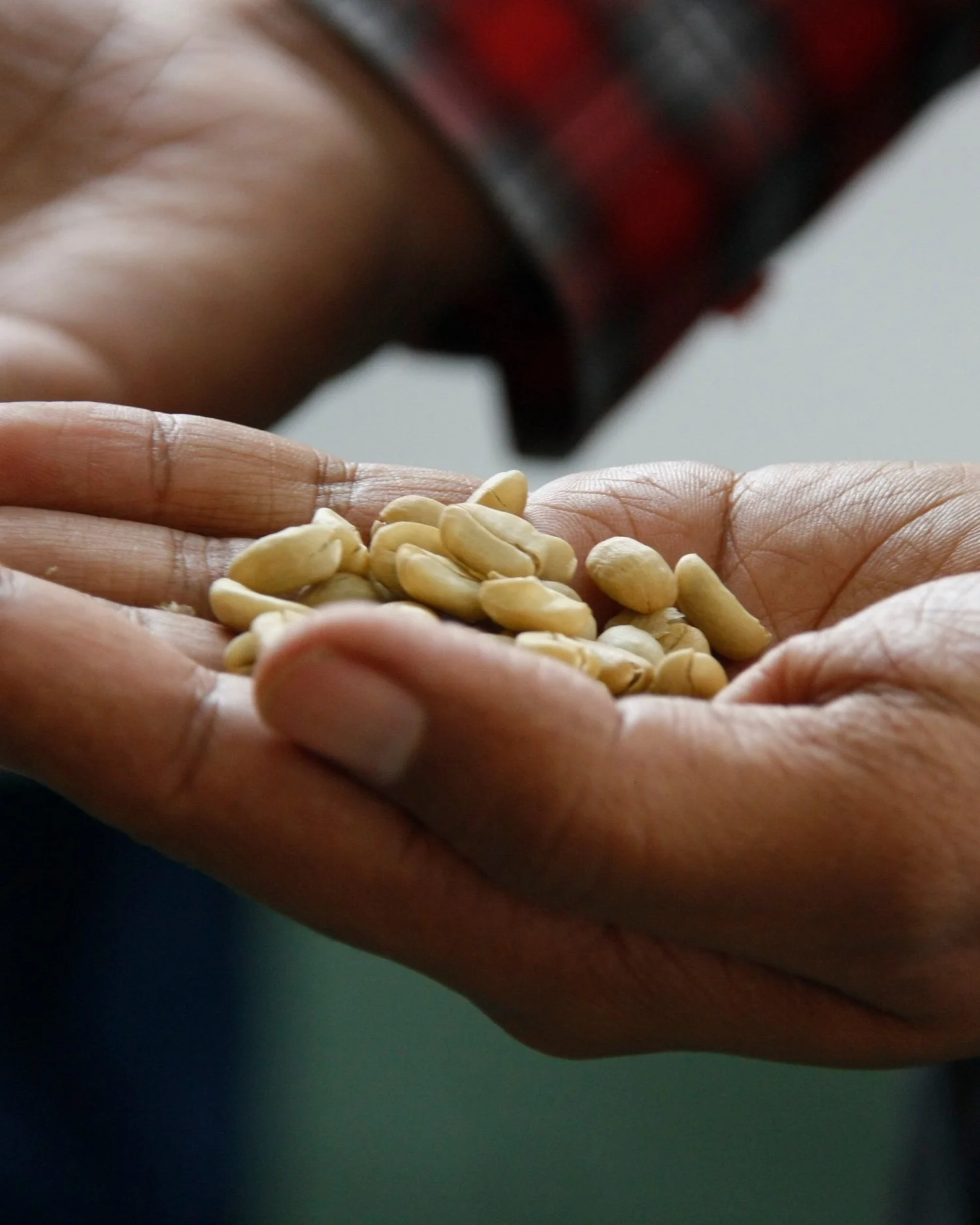
What leaves the bean is not yet the ingredient. The monograph adds: “Refining processes are needed to provide the pure caffeine of commerce.”2
Check: if you need caffeine from coffee, that the specification names green coffee bean as the source.
03 / GREEN TEA LEAF
How is caffeine obtained from tea leaves?
Green tea leaf is the young, unfermented leaf of Camellia sinensis, dried quickly with heat.3 A European Medicines Agency report gives 2.5 to 4.2% caffeine among the constituents of the dried leaf, and cites the French Pharmacopoeia’s definition of green tea leaf, which requires not less than 2.0%.3 Set beside the figures for coffee, the 2.5 to 4.2% range lies above the arabica range and overlaps only the top of the robusta range.
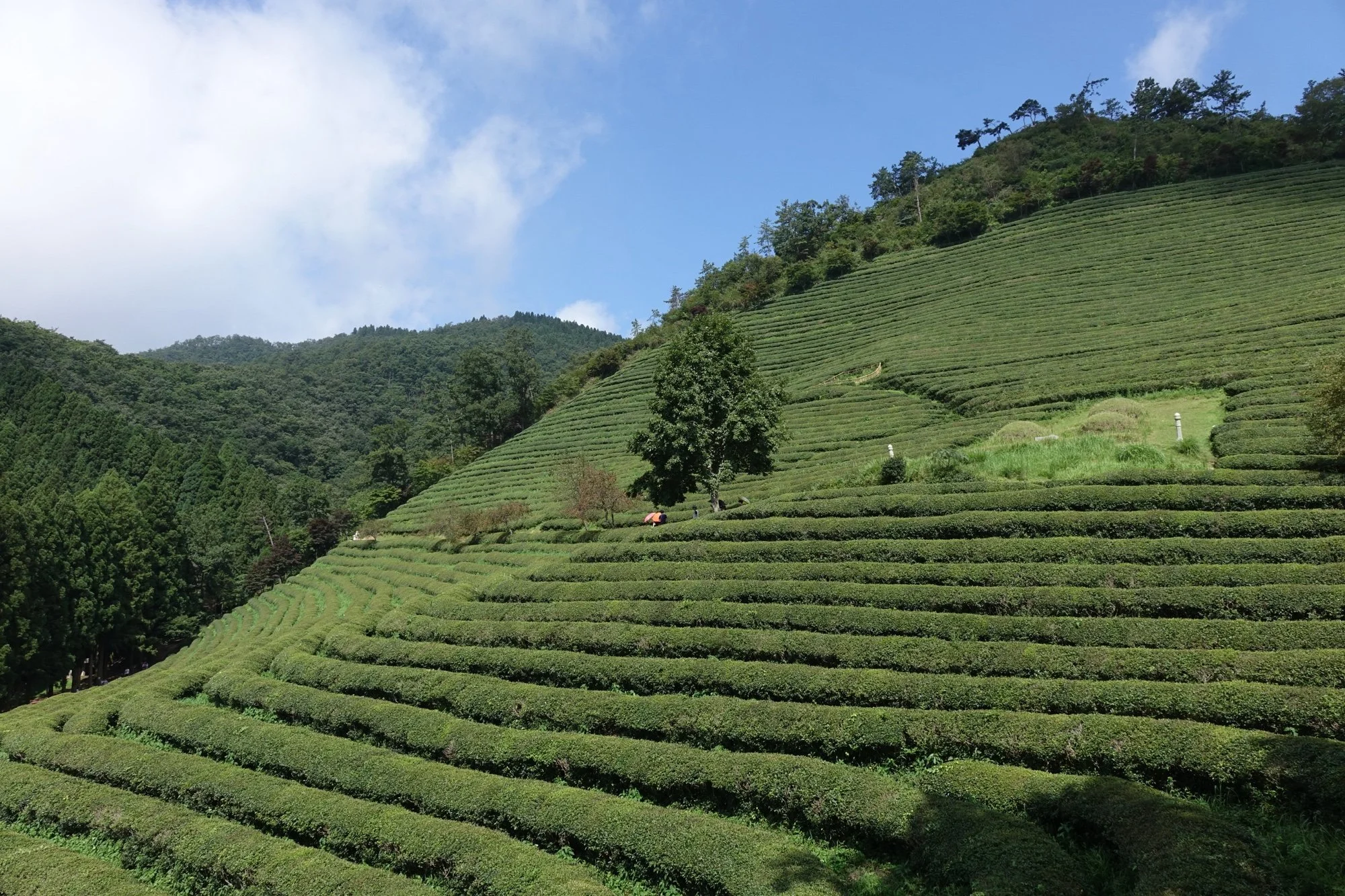
The level is not fixed. The monograph on caffeine notes that the caffeine level in tea varies with the season, the genetic origin of the plant and the use of nitrogen fertiliser, and puts it “usually around 3.5%”.2
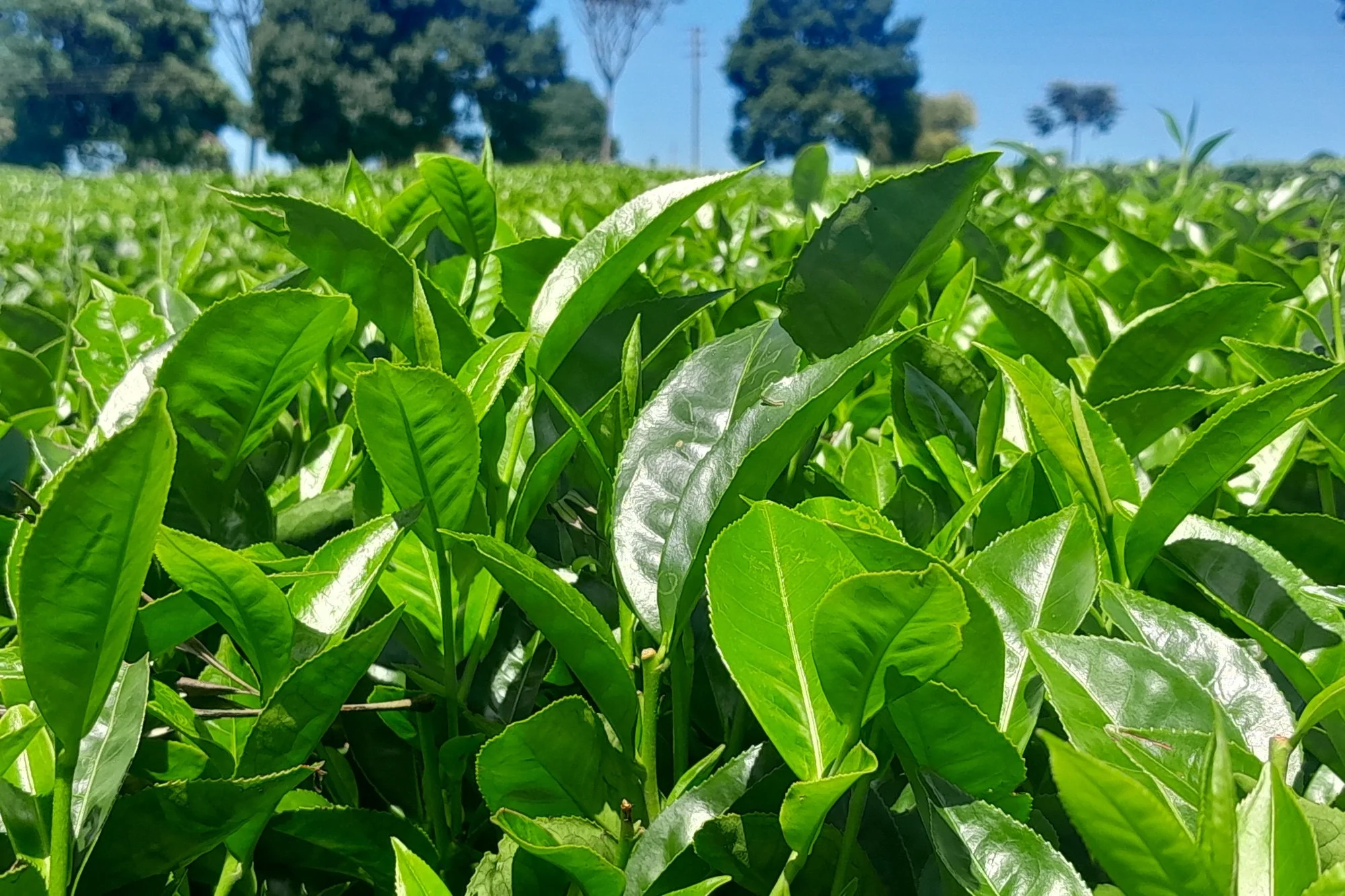
Caffeine is extracted from “tea dusts and wastes and fragments of tea leaves”, the monograph records, and pressurised carbon dioxide is used to remove caffeine from tea when decaffeinated tea is made.2
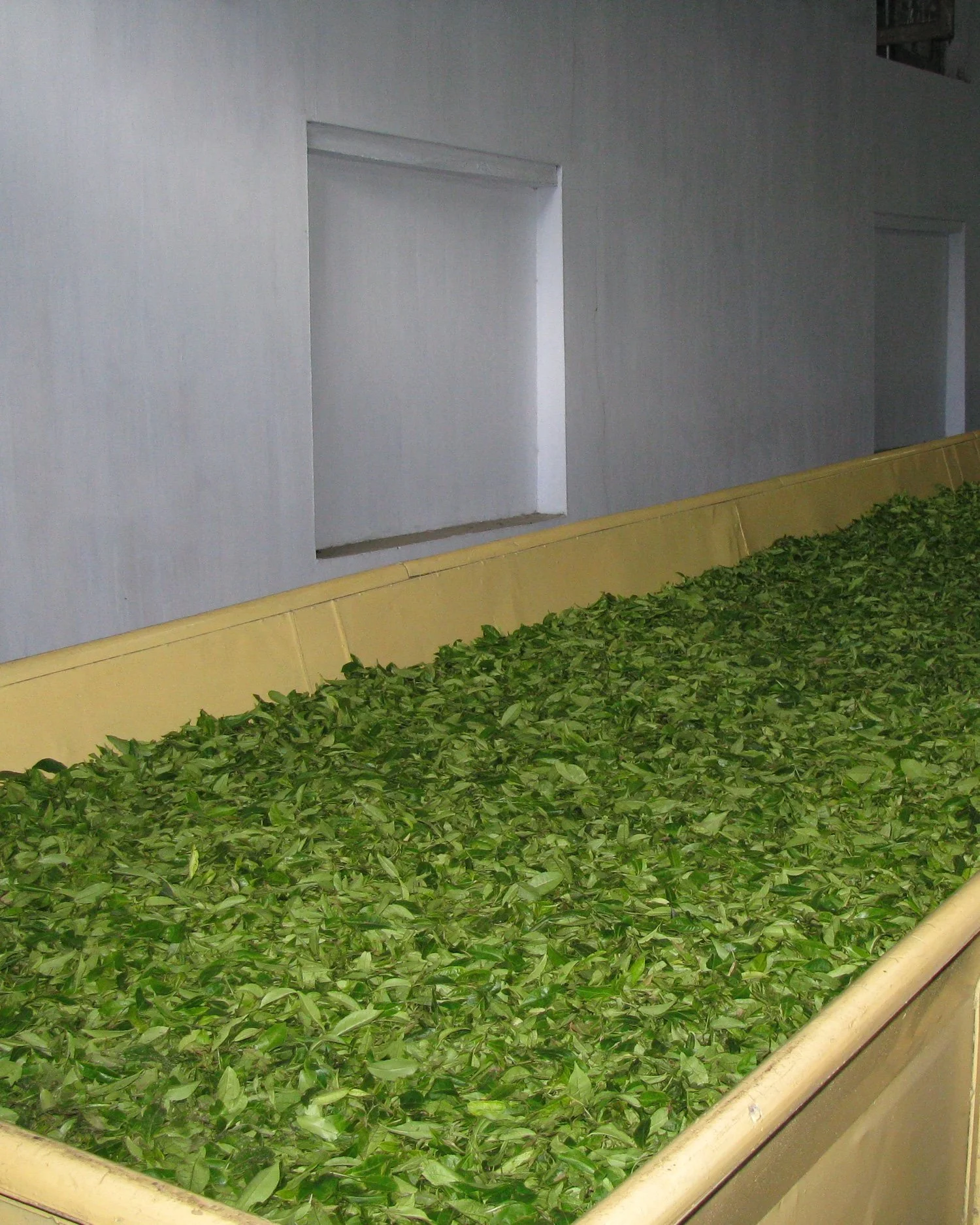
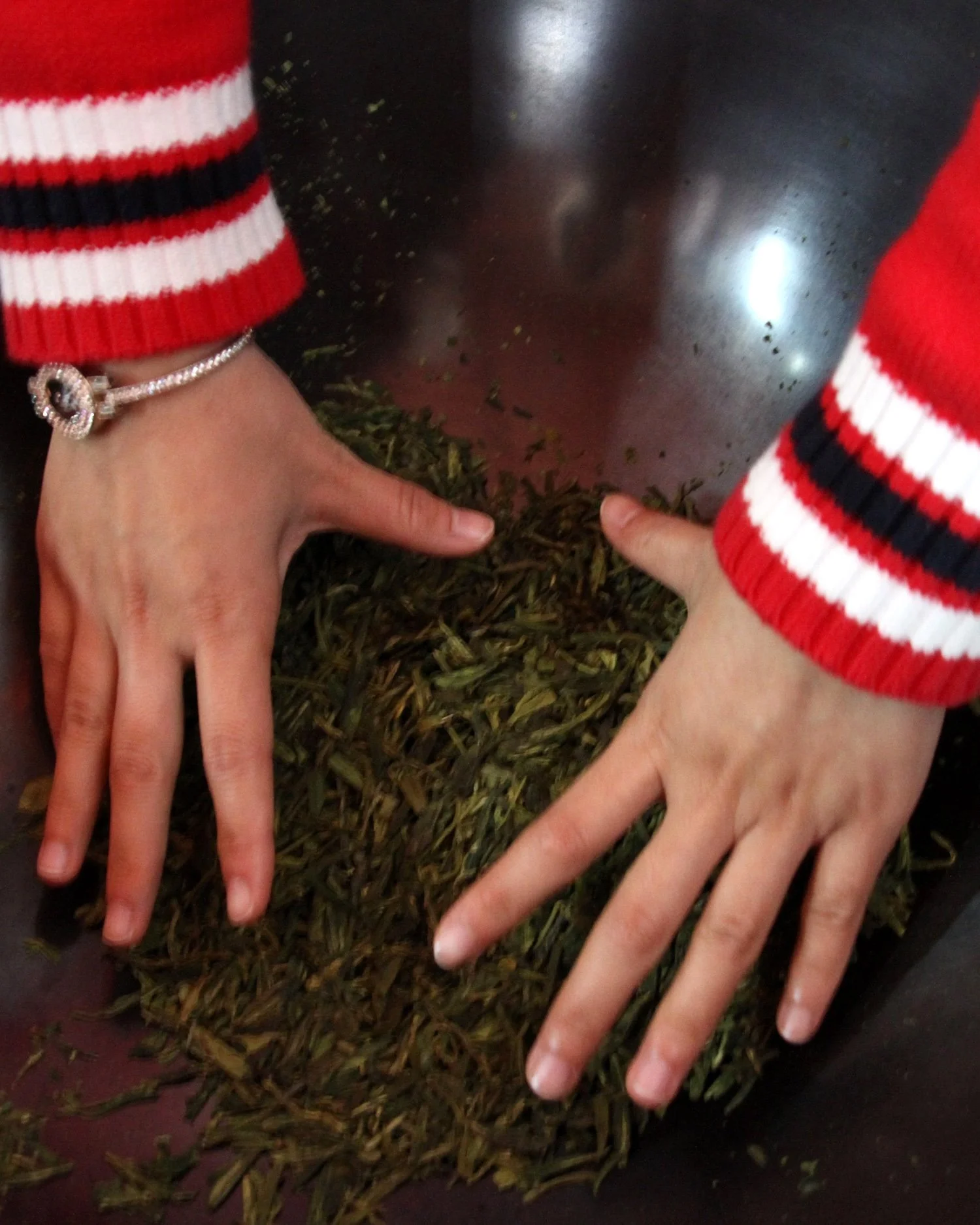
Chapters 02 and 03 describe routes published in a monograph of 1991. They are not a description of how a particular batch is made.
Check: if you need caffeine from tea, that the specification names green tea leaf as the source.
04 / THE PURITY FIGURE
What does 98% state, and what does it leave open?
A purity figure describes the powder: the purity found by the method named beside the figure. The sign ≥ makes it a lower limit. It does not describe where the caffeine came from.
Caffeine is also made by chemical synthesis. The monograph describes synthetic production by the methylation of xanthines, and a total synthesis from dimethyl carbamide and malonic acid.2 Extracted or synthesised, the product is the same substance: the monograph has one entry, one formula and one CAS number for caffeine made either way.2
So two powders of the same purity can have different origins. Plant-derived caffeine can itself come from more than one plant: besides coffee and tea, the monograph lists cola nuts among the sources of extraction.2 The origin therefore has to be written down, and the specification is the place for it: the source route and, for plant-derived caffeine, the plant.
Laboratory analysis can tell natural (plant-derived) caffeine from synthetic caffeine. One study measured the carbon isotopes of 42 samples of natural caffeine, among them coffee beans and tea leaves, and 20 samples of synthetic caffeine, and found “two distinguishable groups”.4 Its abstract reports the natural samples as one group; it does not say that the method tells one plant from another. The plant a batch came from is what its documents state.
Check: that the specification states the source route and, for plant-derived caffeine, the plant.
05 / THE GRADE
Which caffeine should you ask for?
Our Caffeine is a single defined molecule, supplied at ≥98% purity by HPLC. For plant-derived caffeine we offer two named plant sources, green coffee bean and green tea leaf, and the specification states which one a batch comes from. We offer both at ≥98% purity by HPLC.
If your own product names the source of its caffeine, ask for Caffeine ≥98% (HPLC), plant-derived, and state the plant: green coffee bean or green tea leaf.
The product page lists the other source routes we quote. Availability differs by source route and is confirmed with your quotation.
Check: that your enquiry gives the grade, the source route and the plant in one line, for example: Caffeine ≥98% (HPLC), plant-derived, green tea leaf.
WHAT TO SEND
State your requirements with your enquiry
If these points matter for your product, tell us:
- the source route, and for plant-derived caffeine the plant: green coffee bean or green tea leaf;
- the purity you need, and the method your quality team uses for it;
- the quantity, and the particle size if your process needs one;
- your intended application and destination market;
- which technical documents you need, such as a specification sheet or Certificate of Analysis;
- your name, company and contact details.
We offer technical documentation and COA support, and the available document set is confirmed for each ingredient and project. Tell us the route, quantity and documents you need; availability and price are confirmed with your quotation.
This article describes a compound record, a monograph, a regulator’s report and a published study. The figure it gives for YOHOLIFE® Caffeine is that of its product page, and the specification and documents for a selected batch are confirmed when you enquire. Source 2 is a monograph printed in 1991; source 4 was read as an abstract. The photographs are from Wikimedia Commons and are credited under each picture; they show the plants, places and samples named in their captions, not YOHOLIFE® sources or products.


